
Improve Bone Density Safely: Your Guide to Smarter Training
You know, sometimes we hear that "impact training is good for bone density" and the next thing you know, we're thinking we should be doing box jumps. But hold on a minute, because there's a big difference between training for stronger bones and just jumping headfirst into something your body isn't quite ready for. If you haven't moved quickly, or even just done some consistent strength training in a while, jumping right into it might just land you with an injury instead of stronger bones.
It’s about meeting your body where it is right now, not where you think it should be. For those of us navigating osteoporosis or osteopenia, building bone density is super important, but it has to be done smart.
Training for Stronger Bones: It's Not a Race
The internet can make it seem like there’s one right way to do things, one-size-fits-all. But when it comes to your body, especially as we get a little older and wiser, it's okay if your journey looks a bit different. The goal is strong, capable bones over time, and slow and steady really does win that race.
Why Jumping Isn't Always the First Step
We hear "impact training" and immediately our minds go to jumping. But if you haven't jumped, moved quickly, or even done consistent strength training in what feels like ages, launching yourself into the air could be a recipe for trouble rather than triumph. You want to build up to it, not jump over crucial steps.
Build a Solid Strength Base First
Before you even think about getting air, you need that foundational strength training. And I’m not talking about doing the same light weights forever. We need to gradually challenge our muscles with progressive overload. That means, over time, lifting a little heavier or doing a few more reps. Your muscles pulling on your bones is what tells those bones to get stronger, to actually improve their bone density. So, yeah, it matters.
Don't Forget Posture and Balance
Imagine trying to jump if you feel wobbly on your feet. Not ideal, right? If your balance isn’t quite there, jumping or high-impact moves could actually increase your fall risk. And posture? It’s huge, especially when we’re trying to keep unnecessary stress off your spine, which is so important when managing osteoporosis or osteopenia. Good posture helps distribute impact safely.
Posture work with my mom. She’s doing the seated version while I stand. Same muscles, different starting points. A stronger upper back helps you stand taller and takes stress off your spine, which can help lower your risk of spinal compression fractures.
Single-leg balance with a head turn. The head turn is a nice way to bring a little more dynamic movement into your balance routine. If it’s not for you yet, ditch it and just hold the balance.
Reintroduce Power Before Impact
Think of power as moving fast. Jumping requires a good amount of power. If your body hasn’t moved quickly in a while, let’s start there. Quick little steps, skipping, or even just marching faster can help reawaken those fast-twitch muscle fibers. This primes your system for the demands of impact training without the full force of a jump.
Power with my mom: she’s doing a speed squat (standing up quickly) while I do a jump squat. Same goal of moving fast, two different starting points. You don’t have to leave the ground to train power.
Easing Into Impact Training Safely
Once you've got your strength, balance, and quickness building up, then you can start gently introducing impact. This isn't about leaping off high platforms right away.
Stomps and Heel Drops: Your Starting Line
A great way to start is with simple stomps or heel drops. Think about just lifting your heels an inch or two and letting them thump gently back down. This provides that crucial bone-stimulating impact without putting too much stress on your joints. It’s like whispering to your bones, "Hey, time to get stronger!"
Progressing to Jumps, When Appropriate
From stomps, you can gradually move to double-leg mini-jumps – just tiny hops where both feet leave the ground together, barely. And eventually, if it feels right and you’re feeling confident, you might progress to single-leg work. The key word here is gradually. There’s no rush to impress anyone. The goal is to build bone density safely and sustainably so you can keep doing the things you love, whether that’s gardening, keeping up with grandkids, or just feeling steady on your feet.
Remember, those clips you see online of people doing big, dynamic jumps? They aren’t "wrong," and your gentle stomps aren't "better." They're just different starting points on the same continuous path toward strong, capable bones. It's about finding your starting point and building from there.
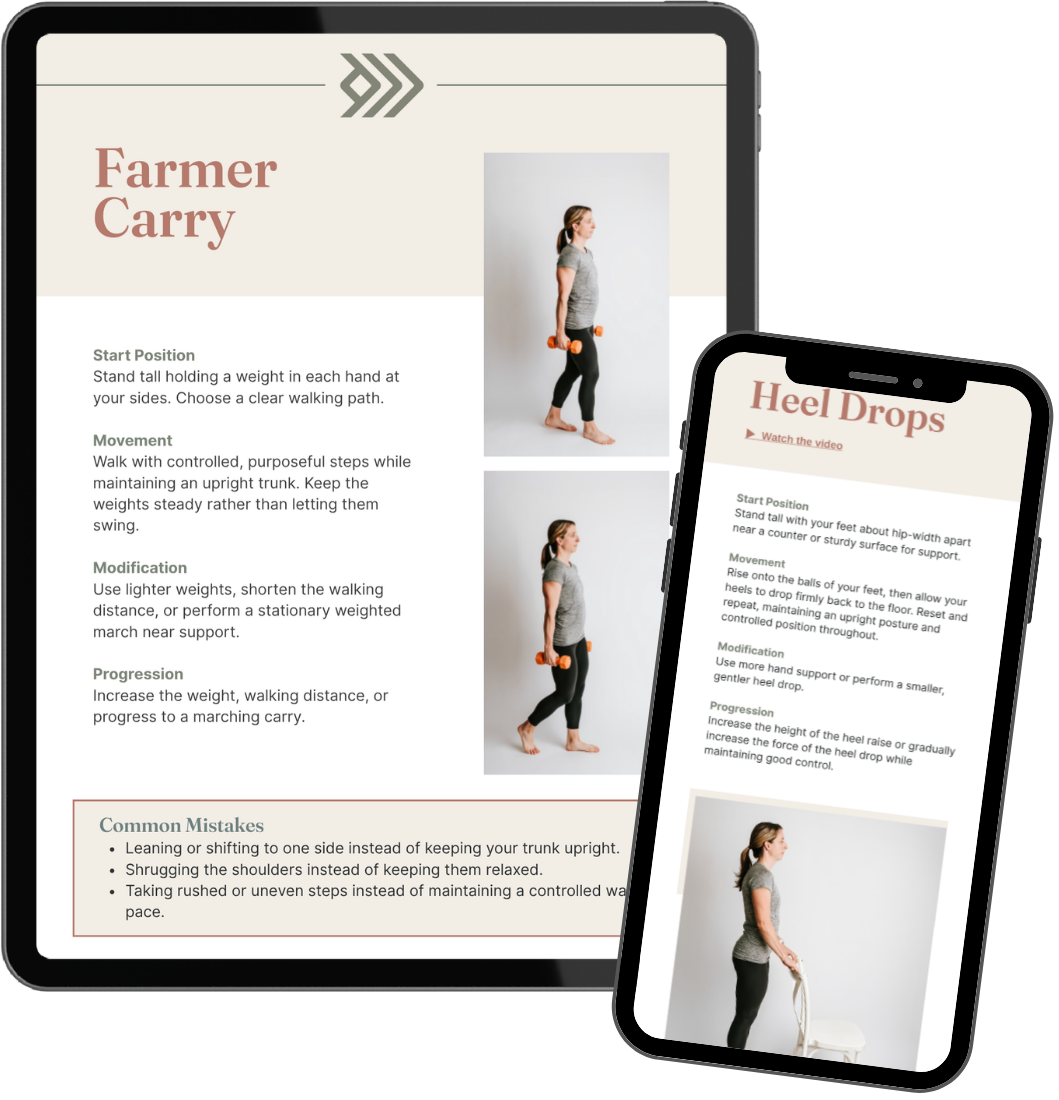
Want a step-by-step plan? My new 38-page guide, Build Stronger Bones: A Beginner’s Guide to Exercise for Bone Density, walks you through the strength exercises, how to choose your weights, repeatable sample workouts (plus how posture and balance fit in), and a five-level impact progression (starting with stomps and heel drops) with demonstration videos for every level.
Key Takeaways
- Don't jump into high-impact exercises without building a solid foundation first.
- Prioritize strength training with progressive overload to stimulate bone growth.
- Improve your balance and posture to reduce injury risk during impact activities.
- Introduce quicker, less impactful movements to build power before full jumping.
FAQ: Strengthening Bones Safely
Does walking count as impact for bone density?
While walking is fantastic for overall health, it generally doesn't provide enough high-intensity impact to significantly improve bone density for most people, especially if you have osteoporosis or osteopenia. You need something a little more forceful, like stomping or gentle jumping, to really stimulate bone growth.
How often should I do impact training for my bones?
Consistency is key. Aim for 2-3 sessions per week of impact activities, allowing for rest days in between. Listen to your body and start with shorter durations, gradually increasing as you feel comfortable.
What if I have a history of fractures or significant osteoporosis?
If you have a history of fractures, severe osteoporosis, or other significant health concerns, it's crucial to talk to your doctor or a physical therapist like me first. We can help you determine the safest and most effective exercises for your specific situation. With virtual 1:1 coaching, you work directly with me, a physical therapist, to develop an exercise program designed specifically for you.
Can I really improve my bone density as I get older?
Absolutely! While bone loss tends to accelerate with age, especially for women after menopause, research shows you can absolutely improve and maintain your bone density at any age through targeted strength training and appropriate impact training. It's never too late to start building that quiet strength.
What's the biggest mistake people make when trying to improve bone density?
The biggest mistake is often doing too much too soon, leading to injury, or doing the same thing forever without enough challenge. It's about smart progression and consistency, not sudden intensity. It’s like trying to bake a cake without knowing the right ingredients or oven temperature – you need a plan!
Ready to Put It Into Practice?
If you’d like a clear plan to follow, Build Stronger Bones: A Beginner’s Guide to Exercise for Bone Density brings everything in this post together in 38 pages: step-by-step exercises, guidance for choosing your weights, repeatable full-body sample workouts, how posture and balance fit in, printable trackers, and a five-level introduction to impact training with demonstration videos. You choose the level that feels right for you, and you never have to jump if it isn’t appropriate.

